Anuk is planning to sail to Patagonia next year
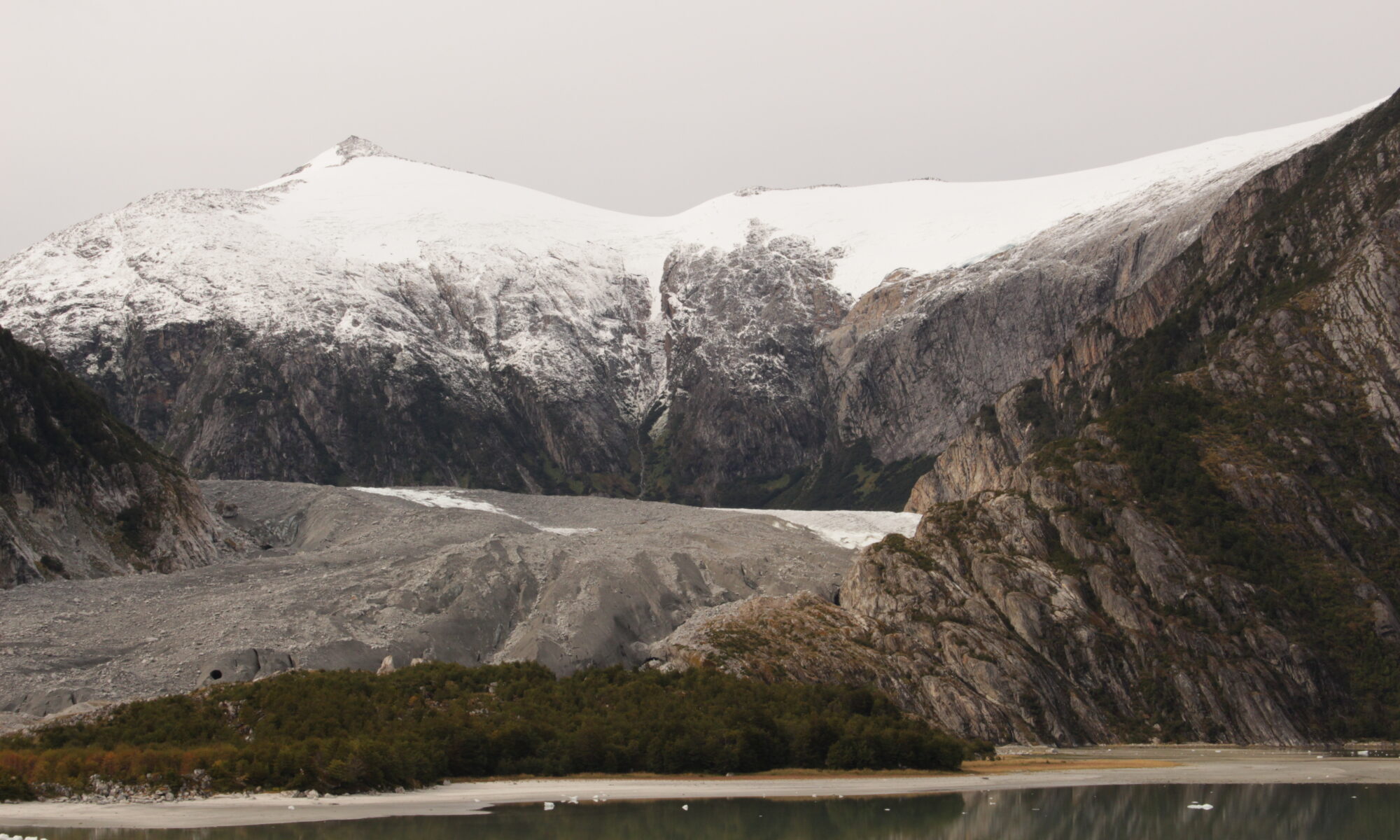
Anuk is planning to sail to Patagonia next year, and maybe continue to Antarctica. Uli and Astrid have had a lot of cold weather experience in their years of sailing in high latitudes, so I am confident that this plan is achievable.
Thirty years ago, I sailed to Commonwealth Bay from Hobart and I thought that you might be interested in a story about the kind of things that happen when you’re not so experienced. There were three of us involved: David Hempleman-Adams, who had just walked to the South Pole, solo and unsupported, my partner Rebecca Stephens, who had become the first British woman to climb Mount Everest, and me. All three of us had climbed Everest in 1993 and were looking for a different kind of expedition.
“Why don’t we go and look for the South Magnetic Pole?” said Dave. “It’s in the Southern Ocean.”
This seemed a crazy idea. The Southern Ocean is a savage sea. How would we avoid the icebergs? And what was the South Magnetic Pole, anyway? I found out it is the one place where all the compasses in the world don’t point to. It is an imaginary place, and it roams around the ocean off the coast of Antarctica like the lonely albatrosses that live there.
We met the professional crew in Hobart in Tasmania. And we met Spirit of Sydney. She is a famous 60-foot aluminium-hulled ex-racing yacht designed by Ben Lexcen, the same designer behind Australia’s historic America’s Cup-winning Australia II. Originally launched by Australian Prime Minister Bob Hawke, she became famous when Ian Kiernan sailed her solo around the world, securing 4th place in the gruelling 1986 BOC Challenge Race. She had also competed in the Sydney to Hobart race. We set off three times before the yacht was ready. We forgot the milk. We forgot the fax paper for the weather forecasts. We forgot the gas. None of this should happen on Anuk, as we have lists!
On the voyage I could see daylight coming through pinholes in the hull where the aluminium hull was being eaten by electrolytic corrosion. Sea water was coming in.
The mainsail ripped when ice froze inside the reefed half. The ice became so thick on the decks we had to chip it off with ice axes. And the fresh water in the tanks froze when we sailed through seawater below minus one Celsius.
During one storm a big wave came on board in the night and washed away the liferaft, which had been tied on deck. Again, this should not happen to Anuk, as her liferaft is contained inside a compartment on the stern.
We had been given a bunk in the forepeak, and we were slamming the waves so hard that I was being bounced in my bunk until I hit the ceiling. For the first time in my life I sustained an injury in bed.
Cooking was good exercise, dancing the hornpipe in front of the gas stove and juggling the pots and pans. The three watches had a long-running competion to see who could cook the most elaborate dishes, and so we ate roast New Zealand lamb, roast potatoes and hot desserts with custard. We overdid this and ran out of gas at the end, resorting to a camping stove in the cockpit for the last few days.
But we arrived at Commonwealth Bay in Antarctica after two weeks of sailing. We tied a long rope to the icy shore and ran the dinghy along it for safety: Australia was 1500 miles to the north if the dinghy got blown off course. We saw penguins and Elephant seals, walked inside Mawson’s Hut and trekked with our heads bowed against the high winds. The record wind speed here is 320 km/h (approx. 200 mph), a great place for a gentle sailing holiday.
When we pulled up the anchor it had a great ball of ice frozen to the chain. I put the ice axe wrist leash on my wrist (a big mistake) and leaned over to knock the ice off. Three things happened at once. 1. The ice axe became embedded in the ice. 2. The ice fell off the chain. 3. I was pulled over the rail. Luckily Rebecca and Dave grabbed my feet as I shot over the side. Lesson learned: don’t put on the wrist leash!
And we found the Magnetic South Pole on 20 February 1996. It was a patch of ocean like all the rest. But above our heads the Southern Lights waved and shimmered like a huge green curtain hanging down from space.
And the most memorable part? I will never forget the day we three Everest climbers were crouched in the cockpit. We had a 65-knot gale (120 km/h), which is called violent storm force 11. Our mainsail had just ripped for the second time. I was steering, and it was very exciting at 14 knots. We were planing down the backs of waves that we estimated at 15 metres high. Everything seemed to be happening in slow motion. We agreed later that we had never felt more alive.
I hope to go on Anuk to Antarctica again, but I’m quite sure that it will be better planned!
Text: Graham Hoyland
